About Course
The Undergraduate program in Electrical and Computer Engineering at Dnyanshree Institute of Engineering and Technology is offered to bridge the gap between fundamental engineering principles and modern technological advancements. The course provides a strong foundation in core areas such as electrical machines, power systems, control systems, and power electronics, along with emerging domains like embedded systems, programming, and computer applications. Emphasis is given to practical learning through well-equipped laboratories, industry-relevant software, and project-based activities. The program also focuses on developing problem-solving skills, innovation, and adaptability among students. Special attention is given to addressing rural and societal needs through sustainable and energy-efficient solutions. Graduates are well-prepared for careers in power, automation, IT sectors, and higher education, contributing effectively to regional and national development.
About Department
The Department of Electrical and Computer Engineering at Dnyanshree Institute of Engineering and Technology, Satara, originally established in 2014 as the Department of Electrical Engineering, has been renamed from the academic year 2025–26 with intake capacity of 60 and continues its commitment to delivering quality technical education aligned with evolving industry demands.
The department offers an undergraduate program in Electrical and Computer Engineering, designed to equip students with strong theoretical foundations and practical skills to meet the evolving demands of the engineering profession.
Our vision is to contribute to society through quality education while nurturing technically competent professionals with strong human and ethical values. Our mission focuses on delivering quality education, fostering research and innovation, strengthening industry interaction, and developing socially responsible engineers.
The department is supported by a team of experienced and dedicated faculty members who have actively contributed to research through publications and presentations in reputed national and international conferences and journals. Regular organization of workshops, seminars, and expert lectures ensures continuous enhancement of student learning and exposure.
We provide well-equipped laboratories integrated with advanced software tools such as MATLAB and MULTISIM, enabling students to undertake innovative projects across diverse domains. Our research and academic activities span key areas including Power Systems, Control Systems, Power Electronics, Electrical Machines, Renewable Energy Systems, and Power Quality. Electrical and Computer Engineering graduates have vast career opportunities globally, particularly in power and energy sectors such as hydro, thermal, and renewable energy industries, as well as emerging interdisciplinary domains. Beyond academics, our students actively participate in sports and co-curricular activities, achieving recognition at institute, zonal, and national levels. The Department of Electrical and Computer Engineering invites aspiring engineers to join its dynamic academic environment and become part of a transformative journey in technology, innovation, and societal development..
Vision
- To be a recognized center in the rural sector for studies on electrical energy systems and technologies pertaining to holistic developments of stakeholders.
Mission
- To increase awareness among rural society about the importance of engineering education.
- To strengthen eco systems for knowledge and skills pertaining to contemporary industry standards.
- To promote research, innovation, incubation, extension and collaborative culture
- To inculcate the values through ethical and professional practices among stake holders for development of socially responsible engineering graduates.
Course Offered
- B Tech Electrical and Computer Engineering - 60 Seats.
Infrastructure
- Departmental Library
- Seminar Hall
Laboratories
- Factory Automation Skill Development Center
- Measurement and Control Lab
- Power Electronics and Drives Lab.
- Switchgear and Power System Lab
- Analog and Digital Electronics Lab
- Network Analysis and Synthesis Lab
- Computer Laboratory
- Additional Workshop/Electrical Machines Lab
HOD's Desk

- Name: Dr. Bagwan Sameer Usman
- Education: Ph.D. – Electrical and Electronics Engineering
- Designation: Assistant Professor & Head of the Department
- Email: hod.elect@dnyanshree.edu.in
- Resume: Click
From HOD's Desk
Welcome to the Department of Electrical and Computer Engineering at Dnyanshree Institute of Engineering and Technology, located on Sajjangad Road, Satara. Established in 2014 as the Department of Electrical Engineering and subsequently renamed as the Department of Electrical and Computer Engineering in 2025-26, the department is approved by AICTE and DTE, and is affiliated with Dr. Babasaheb Ambedkar Technological University. The department currently offers an Undergraduate (UG) program in Electrical and Computer Engineering with an intake of 60 designed to meet the evolving demands of industry and society.
The vision of the department is to contribute to society by imparting quality education in Electrical and Computer Engineering and preparing students to excel in their professional careers while upholding strong human values. The mission focuses on delivering quality education through an effective teaching–learning process, fostering research and innovation, strengthening academic–industry interaction, and nurturing ethical and moral values among students.
The department is supported by a dedicated team of experienced and qualified faculty members who actively contribute to academic excellence through publications and presentations in reputed national and international conferences and journals. To keep pace with technological advancements, the department regularly organizes workshops, seminars, Faculty Development Programs (FDPs), and expert lectures in emerging areas such as Energy Management and Audit, Power Quality, Electric Vehicles, Smart Grids, Automation, and Embedded Systems. Industrial and Laboratory visits are also arranged to ensure holistic development and industry exposure for students.
The department is equipped with well-established laboratories and modern computational facilities. Advanced software tools such as MATLAB, MULTISIM, and other simulation platforms are available to support academic learning, research, and project development. Mitsubishi Electric and the department's MoU partners have sponsored kits and panels for the Factory Automation Skill Development Center. Faculty members and students actively engage in teaching, research, and consultancy activities in domains including Power Systems, Control Systems, Power Electronics, Electrical Machines, Renewable Energy Systems, Computer-Based Control, Automation, and Power Quality.
The Department of Electrical and Computer Engineering remains committed to producing competent graduates with strong technical knowledge, effective communication skills, a spirit of lifelong learning, professional integrity, and a deep sense of ethical and social responsibility to serve the nation and the global community.
Dr. Bagwan Sameer Usman
Head of Department, Electrical & Computer Engineering
Faculty
Dr. Bagwan Sameer Usman
Head of Department
Ph.D.
Resume
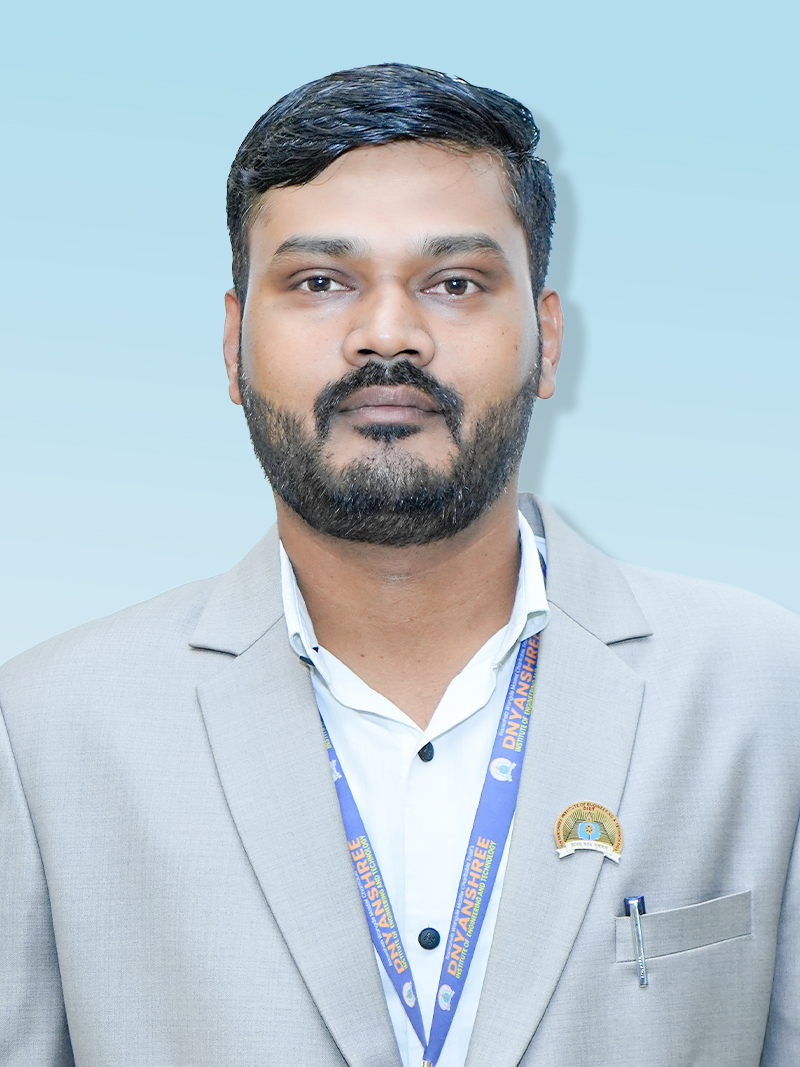
Prof. Mohite Vishvanath Pralhad
Assistant Professor
M. Tech
Resume
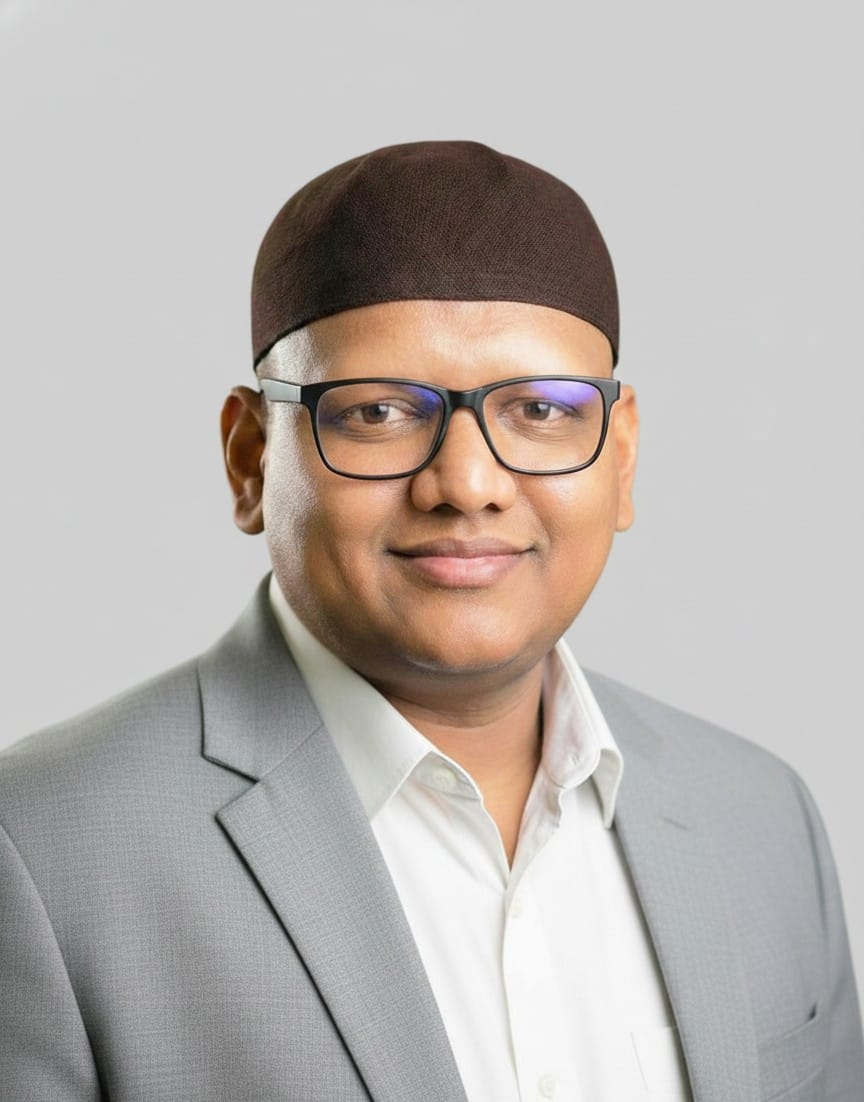
Prof. Nadaf Salim Maulali
Assistant Professor
M. Tech
Resume
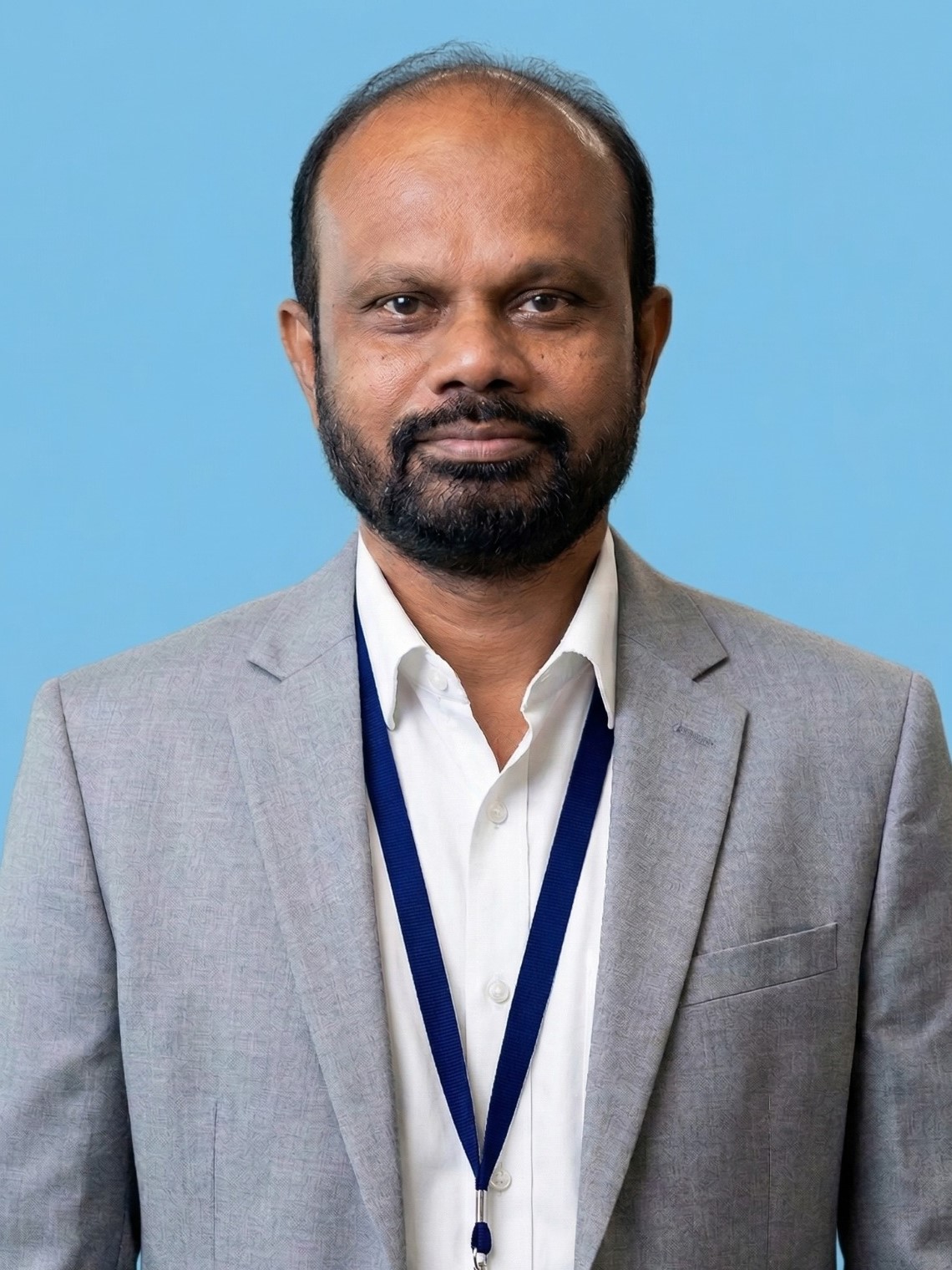
Dr. Qureshi Mahaboob Basha
Assistant Professor
M. Tech
Resume

Prof. Gaikwad Anuradha Hemant
Assistant Professor
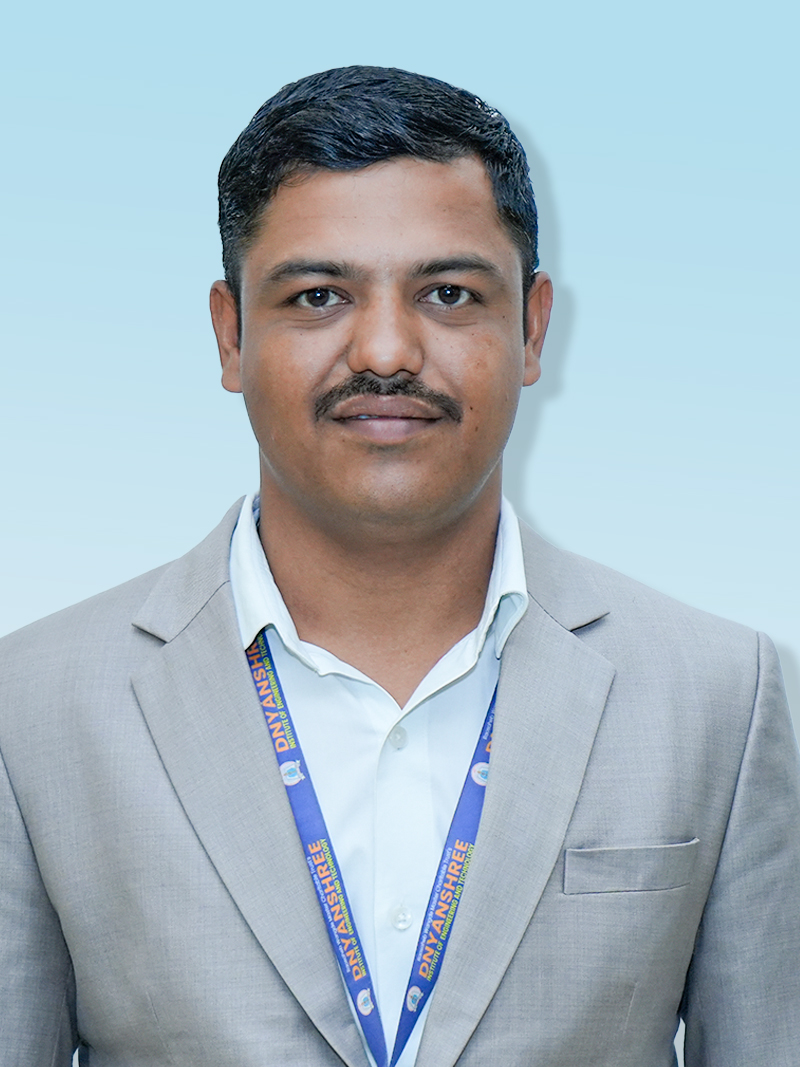
Prof. Chavan Vijay Dilip
Assistant Professor
B.E. (Electrical Engg.), M.Tech Pursuing (Electrical Power System)
Resume
Supporting Staff
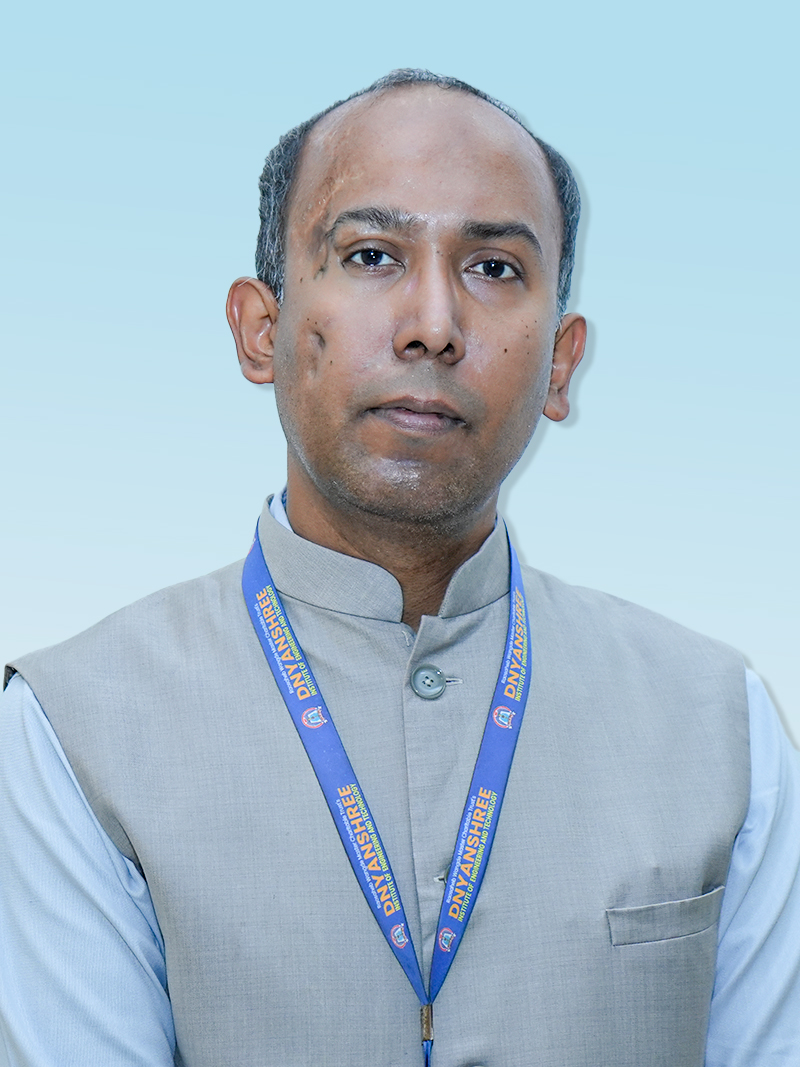
Mr. Ashay C. Dandekar
Lab Assistant

Mr. Kartik R. Shinde
Junior Clerk
Mr. Mahadik Kiran Yashwanth
Workshop Instructor
Mr. Jadhav Kiran Shamrao
Tech.Assistant
Student Association – ECEA
| Sr. No. | Name of Student | Designation |
|---|---|---|
| 1 | Prathmesh Dashrath Patil | President |
| 2 | Jadhav Atharv Vijay | Vice President |
| 3 | Jayesh Ramdas Jadhav | Treasurer |
Student Achievements
| Sr. No. | Name of Student | Award / Medal | Level | Category | Year |
|---|---|---|---|---|---|
| 1 | Udhani Sakshi Dinesh | Runner-up | State | Yoga | 2024-25 |
| 2 | Udhani Sakshi Dinesh | Gold Medal – DBATU Kolhapur Zonal Sports; Silver Medal – National Level Sports (Yoga) | State & National | Yoga | 2024-25 |
Faculty Achievements – Academic Year 2024-25
| Sr. No. | Name of Faculty | Achievement |
|---|---|---|
| 1 | Dr. S. U. Bagwan | Design Patent Granted – "AUTOMATIC SOLAR PANEL CLEANER FOR SOLAR POWER STATIONS" |
| 2 | Dr. S. U. Bagwan | Design Patent Granted – "AUTOMATIC PORTABLE OBJECT LIFTER WITH HYBRID POWER SOURCE AND CASCADE LIFTING MECHANISM" |
| 3 | Dr. S. U. Bagwan | Invited as Reviewer for Springer Journal "Process Integration and Optimization for Sustainability" (WoS, Scopus Indexed) |
| 4 | Dr. S. U. Bagwan | Best Teacher Award from Rotary Club of Satara – 5th Sep, 2024 |
| 5 | Dr. S. U. Bagwan | Selected for CEEE Program at IIT, Delhi (15 Days Offline Mode Completed) |
| 6 | Mr. S. M. Nadaf | Appointed as Observer for All India Sainik Schools Entrance Examination (AISSEE) |
| 7 | Dr. S. U. Bagwan | Best Department Award (Degree) 2024-25 |
| 8 | Dr. D. Jayahar | Swayam Course on CIT-001: Fundamentals of Computer Systems (4 Credit) |
| 9 | Mr. V. P. Mohite | Completed NPTEL Course on Introduction to Industry 4.0 and Industrial Internet of Things |
| 10 | Dr. S. U. Bagwan | Published Indian Design Patent – "Optimal Pesticide and Fertilizer Spraying Solar Vehicle" (Patent No. 418750-001) on 01/06/2024 |
Laboratories
| Sr. No. | Name of Laboratory | Location |
|---|---|---|
| 1 | Factory Automation Skill Development Center | 113 |
| 2 | Measurement and Control Lab | 503 |
| 3 | Power Electronics and Drives Lab | 218 |
| 4 | Switchgear and Power System Lab | 404A |
| 5 | Analog and Digital Electronics Lab | 412A |
| 6 | Network Analysis and Synthesis Lab | 412B |
| 7 | Computer Lab | 423 |
| 8 | Additional Workshop / Electrical Machines Lab | B104 |
Infrastructure & Facilities
| Sr. No. | Particulars | Details / Lab Name & Hall Number |
|---|---|---|
| 1 | Class Rooms | Class Room 1 – (401) |
| Class Room 2 – (424) | ||
| Tutorial Room (Common) – (404B) | ||
| 2 | Laboratories | Factory Automation Skill Development Center (113) |
| Measurement and Control Lab (503) | ||
| Power Electronics and Drives Lab (218) | ||
| Switchgear and Power System Lab (404A) | ||
| Analog and Digital Electronics Lab (412A) | ||
| Network Analysis and Synthesis Lab (412B) | ||
| Computer Lab (423) | ||
| Additional Workshop / Electrical Machines Lab (B104) |
Activities Conducted in the Department
Syllabus
| Sr. No. | Class | Link |
|---|---|---|
| 1 | S.Y. Electrical Engineering | SY – Electrical Engineering (DBATU 2025-26) |
| 2 | T.Y. Electrical Engineering | TY – Electrical Engineering |
| 3 | Final Year B.Tech | Final Year – Electrical Engineering |
List of Departmental Books
| Sr. No. | Particular | Total |
|---|---|---|
| 1 | Total number of Books | 76 |
| 2 | Number of Titles | 100 |
| 3 | Number of Volumes | 108 |
| 4 | Departmental Library List | Click Here |
Result Analysis
| Sr. No. | Title | Link |
|---|---|---|
| 1 | Result Analysis | Download |
Programme Education Outcome
-
PEO1: To apply the knowledge of electrical energy systems and technologies to address challenges in the rural sector and contribute to sustainable development.
-
PEO2: To pursue professional careers or higher education by demonstrating competence, creativity, and innovation in Electrical Engineering.
-
PEO3: To engage in lifelong learning and adapt to emerging technologies and multidisciplinary environments for professional growth.
-
PEO4: To practice ethical values, teamwork, and effective communication while contributing positively to society and industry.
PSO of Department
-
TTo develop electrical energy systems, integrating renewable energy sources and smart technologies, with emphasis on efficiency, sustainability, and rural development needs.
-
To apply modern simulation tools, data-driven techniques, and computing systems to model, control, and optimize complex electrical power and automation systems.
-
To demonstrate innovation and entrepreneurial skills by developing intelligent, sustainable, and practical solutions that address real-world challenges in the electrical engineering domain.
PO's Program Outcome
-
1. Engineering knowledge: Apply the knowledge of mathematics, science, engineering fundamentals, and an engineering specialization to the solution of complex engineering problems.
-
2. Problem analysis: Identify, formulate, review research literature, and analyze complex engineering problems reaching substantiated conclusions using first principles of mathematics, natural sciences, and engineering sciences.
-
3. Design/development of solutions: Design solutions for complex engineering problems and design system components or processes that meet the specified needs with appropriate consideration for the public health and safety, and the cultural, societal, and environmental considerations.
-
4. Conduct investigations of complex problems: Use research-based knowledge and research methods including design of experiments, analysis and interpretation of data, and synthesis of the information to provide valid conclusions.
-
5. Modern tool usage: Create, select, and apply appropriate techniques, resources, and modern engineering and IT tools including prediction and modeling to complex engineering activities with an understanding of the limitations.
-
6. The engineer and society: Apply reasoning informed by the contextual knowledge to assess societal, health, safety, legal and cultural issues and the consequent responsibilities relevant to the professional engineering practice.
-
7. Environment and sustainability: Understand the impact of the professional engineering solutions in societal and environmental contexts, and demonstrate the knowledge of, and need for sustainable development.
-
8. Ethics: Apply ethical principles and commit to professional ethics and responsibilities and norms of the engineering practice.
MOU / Industry Collaborations
| Sr. No. | Organisation | Date of MoU | Validity | Activities Conducted | Beneficiary | Count |
|---|---|---|---|---|---|---|
| 1 | Embtech Consumer Electronics & Software, Satara | 04/10/2024 | 3 Years | Internship Provided for Students | TY Electrical | 15 |
| Guest Lecture on "Microprocessor based Industrial Automation Solutions" | TY Electrical | 33 | ||||
| Value Added Program on "PCB Design (Easy EDA) and Embedded Programming (Intel 8051/STM8)" | SY Electrical | 31 | ||||
| 2 | Squarewave Automation Pvt. Ltd., Satara | 15/02/2024 | 3 Years | Value Added Program on "Advance Industrial Automations" | TY Electrical & Final Year B.Tech | 48 |
| Internship Provided for Students | SY Electrical | 29 | ||||
| Resource Person for ISTE Approved One Week Online National Level FDP – "Applications of Power Electronics in Electrical and Electronics Engineering" | Faculty | 40 | ||||
| 3 | Super Tech Equipment's, Sangli | 09/11/2023 | 3 Years | Resource Person for ISTE Approved One Week Online National Level FDP – "Applications of Power Electronics in Electrical and Electronics Engineering" | Faculty | 40 |
| 4 | Sudeep Technology Pvt. Ltd., Kupwad | 06/11/2023 | 3 Years | Resource Person for ISTE Approved One Week Online National Level FDP – "Applications of Power Electronics in Electrical and Electronics Engineering" | Faculty | 40 |
| 5 | Shree Dhananjay Electrical, Satara | 01/03/2023 | 3 Years | Internship Provided for Students | SY Electrical | 7 |